The First of Fall: A Reflection on the Autumnal Equinox
On Tuesday, September 22, 2026, at 8:04 p.m. EDT, the autumnal equinox arrives. This astronomical event marks the official start of fall in the Northern Hemisphere and spring in the Southern Hemisphere. On this day, the sun’s rays fall directly over the celestial equator, creating nearly equal hours of daylight and night across the globe. The word equinox itself comes from the Latin aequus (equal) and nox (night).
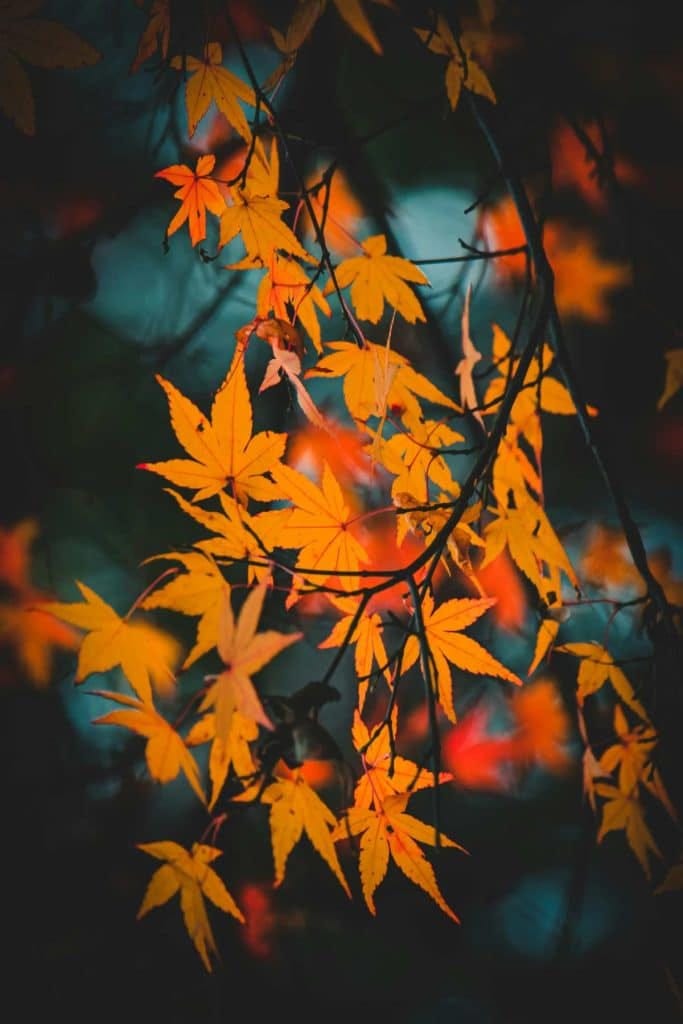
There is such a beautiful sweetness in the air when the end of summer gives way to the beginning of autumn. Fall brings cooler average temperatures, vibrant colors shifting in the trees, and the comforting ritual of sweaters, candles, and coffee (at least in my world). In my own garden, the tomatoes of summer are nearly finished, while my latest seeding of leafy greens, carrots, and celery is just beginning to flourish. Like many gardeners, I preserve what I can, knowing that daylight is waning and the soil will soon rest.
Equinox in Cultures
Culturally, people have honored this time of year in countless ways. Across cultures, harvest festivals celebrate the land’s abundance. The Harvest Moon, the full moon closest to the equinox, has guided farmers for centuries, offering extra light to gather the last crops. In China, people celebrate the Mid-Autumn Festival on the 15th day of the eighth lunar month of the Chinese calendar. They mark this time with mooncakes, lanterns, and family gatherings. At Chichén Itzá in Mexico, the sun’s rays and atmospheric refraction create the illusion of a serpent descending the pyramid, connecting earth and sky. In Japan, the equinox is even a national holiday, a pause for honoring ancestors and the natural world.
The Hebrew calendar also aligns closely with the equinox. While it doesn’t mark the astronomical event directly, the autumnal equinox nearly always coincides with the High Holy Days of Judaism. Rosh Hashanah, the Jewish New Year, typically falls on or around the equinox, ushering in a season of reflection, renewal, and return. Ten days later, Yom Kippur, the Day of Atonement, invites deep introspection and the pursuit of balance, mirroring the equinox’s own posture. Soon after comes Sukkot, a joyful harvest festival in which families build temporary shelters (sukkot) and give thanks for their provision. These sacred days are intentionally tied to the cycles of sun and moon, with leap months added to the Hebrew calendar to keep the harvest festivals aligned with the autumn season.
A Bit of Science
Science adds its own wonder to this time of year. At higher latitudes, the shift toward darkness brings the return of the aurora borealis, as solar winds interact with the Earth’s atmosphere. The refraction of sunlight and the bending of the light at the horizon remind us that even the length of a day is never exact but shaped by physics and perception.
Spiritual Significance
For me, this season always feels like late afternoon giving way to evening. The pace slows. The workday winds down. As the fall equinox nudges us into the autumn season, I find myself asking…
What can I set down?
How might I step into these shorter days with peace rather than resistance?
This time of the year is less about rushing forward and more about resting into rhythm. The autumn leaves will soon scatter, the nights will lengthen, and yet within the quiet, there is preparation for what will bloom again after the vernal equinox in March and the summer solstice in June. The cycle continues, year after year, a day as a year and a year as a day.
This day of the equinox is a gift. A reminder that we are held within balance, even briefly, before the tilt carries us onward. Whether you notice the sun rising due east, watch the northern lights shimmer, or simply light a candle as darkness falls, I hope you feel the wonder of autumn’s quiet beginning.
Here, at this threshold, may we lean into balance, honor the harvest, and welcome the rest that follows.
FAQ’s
Which day is the autumnal equinox?
In 2026, the autumnal equinox falls on Tuesday, September 22, in the Northern Hemisphere. The exact moment is 14:19 UTC, though your local time may place it on the 21st or 22nd, depending on where you live.
What is the autumnal equinox?
The autumnal equinox is the astronomical event when the Sun crosses the celestial equator and moves southward. On this day, daylight and night are nearly equal in length for most places on Earth. It marks the official start of fall in the Northern Hemisphere and spring in the Southern Hemisphere.
What does the autumnal equinox mean?
Symbolically, it’s a moment of balance, equal light and dark, day and night. Across cultures, it has long been tied to themes of harvest, transition, and renewal. Spiritually, it invites us to notice the turning of time and align ourselves with rhythms beyond our schedules.
Does the fall equinox change?
Yes. The equinox doesn’t fall on the same calendar day each year. Because of the Earth’s orbit (which takes about 365.2422 days), the date can shift slightly. That’s also why we add a leap day every four years to keep the calendar aligned with the seasons.
Is the autumn equinox a holiday?
In some cultures, yes. While it’s not a national holiday in most places, many traditions mark it with festivals: the Chinese Mid-Autumn Festival, European harvest feasts, and, in the Jewish calendar, the High Holy Days often fall near this time of year.
Is the autumn equinox a holiday?
In some cultures, yes. While it’s not a national holiday in most places, many traditions have marked it with festivals: the Chinese Mid-Autumn Festival, European harvest feasts, and, in the Jewish calendar, the High Holy Days, which often fall near this time of year.
What happens on the autumnal equinox?
On this day, the Sun rises due east and sets due west. Day and night are nearly equal in length. After the equinox, days grow shorter and nights longer in the Northern Hemisphere, signaling the transition from summer to fall.